MIGA guarantees protect investments against non-commercial risks and can help investors obtain access to funding sources with improved financial terms and conditions. We believe transparency and accountability are fundamental to fulfilling our development mandate and to strengthening public trust. Learn more about the projects we support below. Visit Access to Information to submit a request for disclosure of information.
Project Description On March 21st, 2024, the Multilateral Investment Guarantee Agency (MIGA) signed a Trade Finance Guarantee (TFG) amounting to EUR300 million to Standard Chartered Bank, covering a trade loan against...
Project description
On October 27, 2023, MIGA issued a guarantee for up to US 1,820 million for the equity investments by HSBC Holdings plc (HSBC) in its subsidiary in Mexico, HSBC Mexico S.A., Institución de Banca...
On September 19, 2023, The Multilateral Investment Guarantee Agency (“MIGA”) a member of the World Bank Group, issued a CHF 554.7 million (the equivalent of US$ 621.2 million) guarantee covering the principal...
Project Description
On September 20th, 2023, The Multilateral Investment Guarantee Agency (MIGA), a member of the World Bank Group, signed a contract issuing guarantee totaling EUR19.9 million to Meridiam Africa Investments...
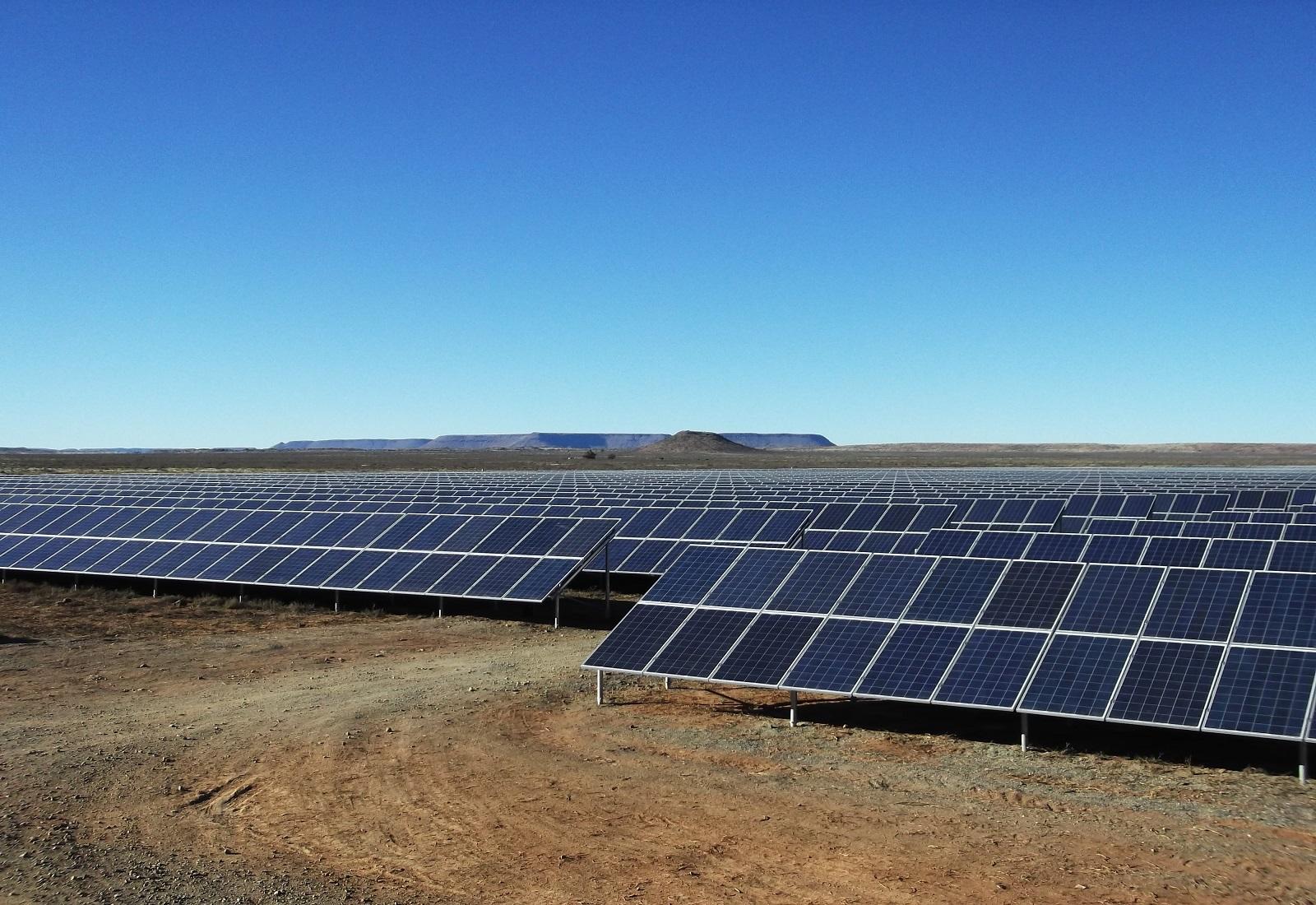
Project descriptionOn February 23, 2024, MIGA entered into a contract issuing a guarantee of US$16.29 million to Konexa Power Holdings PCC of Mauritius for its equity and quasi-equity investments in Konexa Solar 1 Ltd,...
Project Description
The Multilateral Investment Guarantee Agency (“MIGA”) a member of the World Bank Group (WBG), issued on September 09, 2022, a Non-Honoring of Financial Obligations by a State-Owned Enterprise...
Project Description
On June 30, 2022 MIGA issued guarantees of up to US$200 million to Banco Santander, S.A. of Spain (Santander) for a period of 1 year covering the risk of expropriation of Banco Santander Argentina...
Project Description
On June 30, 2022, MIGA issued 12 guarantees totaling US$180 million for a period of up to 5 years to The Rise Fund II Aurora, S.à r.l (The Rise Fund), a TPG private equity fund focused on impact...
Project Description
On March 4, 2022, The Multilateral Investment Guarantee Agency (“MIGA”) a member of the World Bank Group, issued guarantees to Uludag Power Networks UK Limited (Holdco), a holding company...
Project descriptionOn November 9, 2023, The Multilateral Investment Guarantee Agency (MIGA), a member of the World Bank Group, issued a guarantee totaling $50.3 million to CES AC1 Limited of Mauritius, a subsidiary...
On April 28, 2021 MIGA signed a contract of guarantee for US$ 128.15 million, effective, April 28, 2021, with Banco Santander SA of Spain, for NHSFO coverage of its non-shareholder loan to the Ministry of Finance of the...
Project Description
On October 30, 2020, February 8, 2021 and February 12, 2021, MIGA issued guarantees totaling US$43.1 million to cover (i)
equity and quasi-equity/shareholder loan investments by AIIF 3 Clean Energy...
Project Summary
On December 30, 2020, The Multilateral Investment Guarantee Agency (MIGA), a member of the World Bank Group, issued a guarantee of up to 7.5 years to Citibank N.A., from the United States and Commerzbank...
Project Summary
On December 7, 2020, The Multilateral Investment Guarantee Agency (MIGA), a member of the World Bank Group, has issued guarantees of up to US$25.6 million to Escotel Mauritius covering its investments...
Project Description
On October 1, 2019, MIGA issued guarantees of €97.16 million to cover equity investments by Suez Groupe of France (Suez), Luxembourg-based Marguerite Waste Serbia S.à r.l. (“Marguerite”),...
Project Description On March 21st, 2024, the Multilateral Investment Guarantee Agency (MIGA) signed a Trade Finance Guarantee (TFG) amounting to EUR300 million to Standard Chartered Bank, covering a trade loan against...
Project description
On October 27, 2023, MIGA issued a guarantee for up to US 1,820 million for the equity investments by HSBC Holdings plc (HSBC) in its subsidiary in Mexico, HSBC Mexico S.A., Institución de Banca...
On September 19, 2023, The Multilateral Investment Guarantee Agency (“MIGA”) a member of the World Bank Group, issued a CHF 554.7 million (the equivalent of US$ 621.2 million) guarantee covering the principal...
Project Description
On September 20th, 2023, The Multilateral Investment Guarantee Agency (MIGA), a member of the World Bank Group, signed a contract issuing guarantee totaling EUR19.9 million to Meridiam Africa Investments...
Project descriptionOn February 23, 2024, MIGA entered into a contract issuing a guarantee of US$16.29 million to Konexa Power Holdings PCC of Mauritius for its equity and quasi-equity investments in Konexa Solar 1 Ltd,...
Project Description
The Multilateral Investment Guarantee Agency (“MIGA”) a member of the World Bank Group (WBG), issued on September 09, 2022, a Non-Honoring of Financial Obligations by a State-Owned Enterprise...
Project Description
On June 30, 2022 MIGA issued guarantees of up to US$200 million to Banco Santander, S.A. of Spain (Santander) for a period of 1 year covering the risk of expropriation of Banco Santander Argentina...
Project Description
On June 30, 2022, MIGA issued 12 guarantees totaling US$180 million for a period of up to 5 years to The Rise Fund II Aurora, S.à r.l (The Rise Fund), a TPG private equity fund focused on impact...
Project Description
On March 4, 2022, The Multilateral Investment Guarantee Agency (“MIGA”) a member of the World Bank Group, issued guarantees to Uludag Power Networks UK Limited (Holdco), a holding company...
Project descriptionOn November 9, 2023, The Multilateral Investment Guarantee Agency (MIGA), a member of the World Bank Group, issued a guarantee totaling $50.3 million to CES AC1 Limited of Mauritius, a subsidiary...
On April 28, 2021 MIGA signed a contract of guarantee for US$ 128.15 million, effective, April 28, 2021, with Banco Santander SA of Spain, for NHSFO coverage of its non-shareholder loan to the Ministry of Finance of the...
Project Description
On October 30, 2020, February 8, 2021 and February 12, 2021, MIGA issued guarantees totaling US$43.1 million to cover (i)
equity and quasi-equity/shareholder loan investments by AIIF 3 Clean Energy...
Project Summary
On December 30, 2020, The Multilateral Investment Guarantee Agency (MIGA), a member of the World Bank Group, issued a guarantee of up to 7.5 years to Citibank N.A., from the United States and Commerzbank...
Project Summary
On December 7, 2020, The Multilateral Investment Guarantee Agency (MIGA), a member of the World Bank Group, has issued guarantees of up to US$25.6 million to Escotel Mauritius covering its investments...
Project Description
On October 1, 2019, MIGA issued guarantees of €97.16 million to cover equity investments by Suez Groupe of France (Suez), Luxembourg-based Marguerite Waste Serbia S.à r.l. (“Marguerite”),...
Project DescriptionOn March 31, 2024, MIGA issued a guarantee of up to EUR561.0 million covering equity investments by Raiffeisen Bank International AG (RBI) in its subsidiary in Serbia, Raiffeisen Banka a.d., Beograd...
Project DescriptionOn March 31, 2024, MIGA issued a guarantee of up to EUR95.0 million covering equity investments by Raiffeisen Bank International AG (RBI) in its subsidiary in Kosovo, Raiffeisen Bank Kosovo J.S.C. (RBI...
Project DescriptionOn March 31, 2024, MIGA issued a guarantee of up to EUR114.0 million covering equity investments by Raiffeisen Bank International AG (RBI) in its subsidiary in Bosnia and Herzegovina, Raiffeisen Bank...
Project DescriptionOn April, 8, 2024 MIGA issued guarantees to Triodos Groenfonds N.V. of The Netherlands; Triodos SICAV II of Luxembourg; and OIKOCREDIT, Ecumenical Development Cooperative Society U.A. of The Netherlands...
Environmental and Social Impact Assessment and Associated Environmental and Social Management DocumentsDisclaimer: Through this Early Disclosure, MIGA provides early access, early in the environmental and social assessment...
Environmental and Social Review SummaryCODELCO Renewable Energy PPAsThis Environmental and Social Review Summary (ESRS) is prepared by MIGA staff and disclosed prior to the date on which MIGA’s Board of Directors considers...
Project Description: This summary covers an application made by Corporación Nacional del Cobre de Chile (CODELCO) related to proposed non-shareholder loans to be provided by lender(s) yet-to-be identified. MIGA...
Project DescriptionThis summary covers an application made by Banco Santander S.A. (Santander) of Spain for its USD denominated cross-border loans from Madrid to its corporate clients in Brazil. MIGA intends to cover the...
Project Description On March 21st, 2024, the Multilateral Investment Guarantee Agency (MIGA) signed a Trade Finance Guarantee (TFG) amounting to EUR300 million to Standard Chartered Bank, covering a trade loan against...
Project descriptionThis summary describes equity investments (including retained earnings) by OTP Bank Nyrt (OTP) in its subsidiary in Serbia, OTP banka Srbija akcionarsko drustvo Novi Sad (OTP Serbia, or the Bank)....
Project Description This summary describes a proposed investment by financial institutions yet to be identified (the Guarantee Holders) which intend to provide short-term, revolving trade loans to Türk Eximbank,...
Project DescriptionOn December 18, 2023 MIGA issued guarantees for up to EUR 366.33 million, covering investments by Sonatel SA (“Sonatel Group") of Senegal to Orange Guinée SA, a telecom subsidiary in Guinea, and...